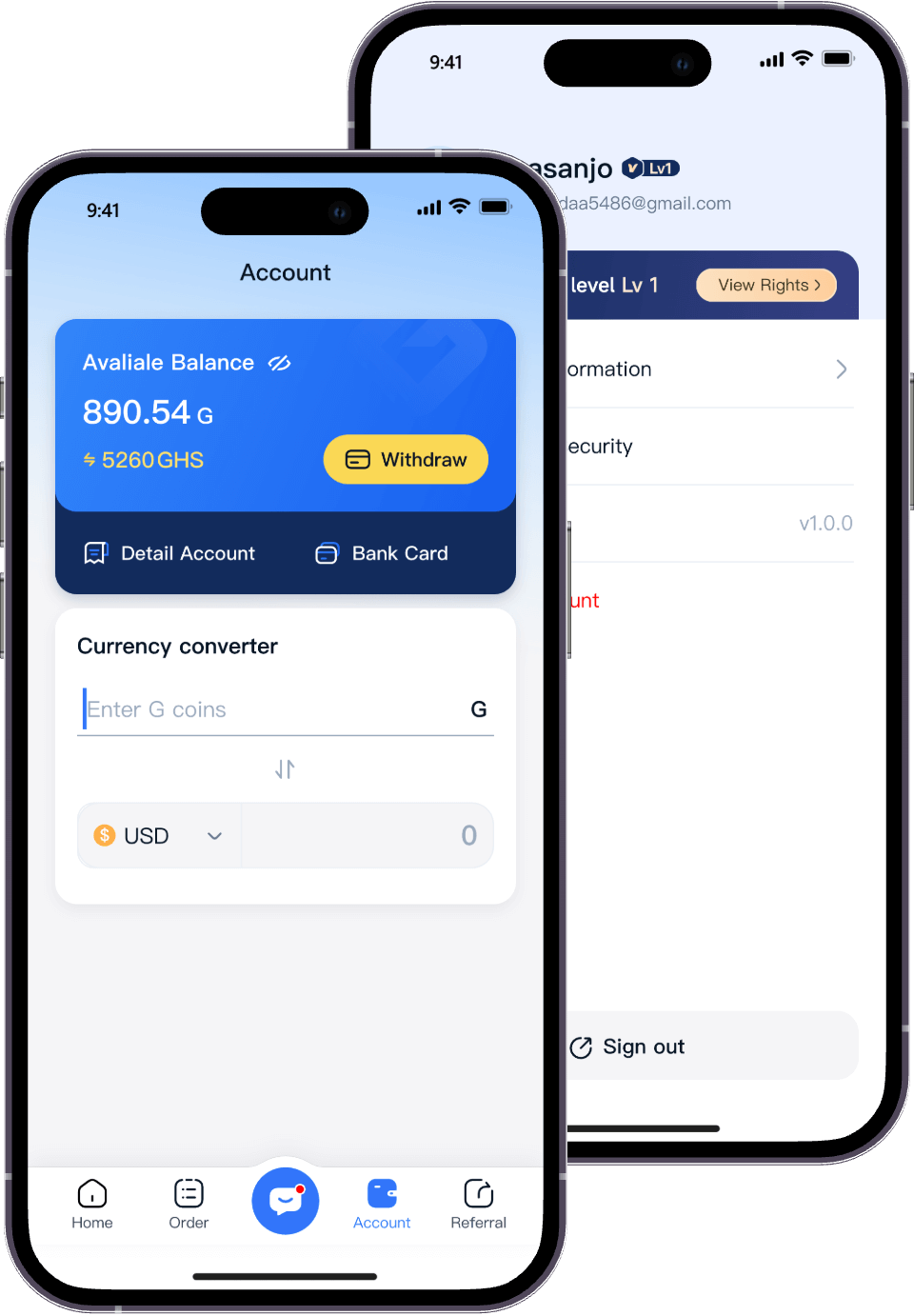
Migo: Sell Gift Card
Business


You checked the price of a $100 gift card yesterday. Today, the estimated payout is different. An Apple, Steam, and Amazon card may also receive different offers even when each has the same face value.
Why do gift card rates change? A resale quote reflects current demand, where the card can be used, its exact type and condition, local currency conditions, and the checks needed to process it. It is not a simple conversion of the card's dollar value at the USD/NGN or USD/GHS exchange rate.
For sellers in Nigeria and Ghana, the useful figure is the current estimated payout for the exact card you hold. Here is how to understand that figure and compare offers on Migo.
In short: Face value is only the starting point. Brand, issuing country or region, denomination, physical card or e-code format, receipt category, demand, and payout currency can all affect a quote. Payment also depends on verification. Check the Migo rate calculator and the terms shown in the trade flow before submitting your card.
In gift card trading, a “rate” usually means the amount of local currency offered per unit of the card's face value. A simple estimate is:
Estimated payout = card face value × the current rate for that card category
That calculation does not mean every $100 card has the same rate. A meaningful comparison must use the same brand, issuing country or region, denomination, format, and trade category. On Migo's rate calculator, users select an amount, gift card, currency, card type, and subcategory. The page also offers NGN, GHS, and USDT display options. Check the actual payment method and final amount available to your account in the trade flow.
A gift card rate is not the same as a bank's foreign exchange rate. A gift card is prepaid value subject to the issuer's rules. Demand, verification, and processing conditions can create a difference between its face value and its cash resale price.
A card's resale price can change as more people want to use it or more sellers offer the same type of card. A game promotion or shopping season may affect demand. A sudden increase in available cards may also affect a quote. These are possible market effects, not a guarantee that waiting for a holiday will earn you more. Look at the offer available when you are ready to sell.
Two cards with the same face value may serve different stores, accounts, or users. Region can also limit redemption. For example, Apple Support says Apple Gift Cards, App Store Cards, and App Store & iTunes Gift Cards cannot be redeemed outside the country or region where they were purchased. When checking an Apple card's rate, identify its issuing region and exact card type rather than entering only “$100 Apple card.”
A physical card and an e-code may require different information for verification. Some brands also have separate categories for cards with or without receipts, or for different payment methods shown on a receipt. Migo's trading guidance describes receipt categories for certain Amazon cards and says that an incorrect receipt or subcategory can lead to rejection or reclassification.
This does not mean physical cards always earn more than e-codes. A receipt is supporting evidence; it does not, on its own, prove that a card is valid, unused, or certain to pass review. Select the category that matches your card and provide the documents requested in the current trade flow.
Different denominations may fall into different rate bands or require different checks. A larger card is not automatically worth more per dollar than a smaller one. Enter the card's actual face value in the calculator and review the quote for that denomination. If you hold several cards, check each one rather than applying one card's rate to all of them.
When a platform pays in naira or cedis, local currency conditions can affect the amount displayed. But gift card quotes do not move mechanically with a single published dollar exchange rate. Demand for that brand, its use restrictions, and the type of card being processed can change at the same time. Compare offers in the same payout currency and focus on the amount shown for your card rather than calculating a price from foreign exchange headlines.
A readable code, proper activation, unused value, clear images, and any required proof all matter. Migo's list of possible rejection reasons includes already redeemed or invalid cards, blurry images, duplicate submissions, incorrect categories, and cards for which there is currently no offer. An estimated payout is not a guarantee of payment for a card that has not passed verification. If there is an issue, follow the official instructions instead of repeatedly submitting the same code.

Before comparing two offers, make sure the inputs match:
| Check | Why it matters |
|---|---|
| Brand and issuing region | Identifies the correct supported card category. |
| Currency and face value | Determines the applicable quote or denomination band. |
| Physical card or e-code | May change the required submission materials. |
| Subcategory and receipt | Some cards have separate receipt or payment-method categories. |
| Payout currency | NGN and GHS figures cannot be compared as if they were the same unit. |
| Estimated payout | Shows the amount that matters more than a rate viewed in isolation. |
A practical method: Enter the true details of the card you hold, then note the current estimated payout. If you compare quotes from different days, record the card details, payout currency, and time of each check. Only then can you tell whether the offer changed under the same conditions.
Rates can change between your first check and the completion of a trade. Migo's public help article lists “Rate Drop” as a possible rejection reason. It says that if you accept the current rate, you can submit the card again. If you receive that notice, review the latest quote and your trade status before deciding what to do. Do not assume an old screenshot locks in a price, and do not upload the same card again while an earlier submission is still being processed.
For questions about a rate, category, or verification result, consult the Migo Help Center and keep your trade reference and official support messages.
The same face value does not mean the same demand, redemption rules, or verification conditions. Issuing region, card format, and subcategory may also differ. Choose each card's exact category and compare the current estimated payouts in the same payout currency, rather than comparing only the “$100” printed on the cards.
No. A receipt can help verify purchase information, and some card categories require a specific type of receipt. It does not guarantee that the card is valid, unused, accepted, or eligible for a higher rate. Submit an authentic receipt under the correct category and review the current offer and verification result.
Not necessarily. Local currency conditions can influence an NGN or GHS quote, but brand demand, regional restrictions, denomination, and card status also matter. A published USD exchange rate cannot replace the current quote for a specific gift card.
There is no date that works for every brand or card type. If you have an unused card you want to sell, check its current quote and eligibility, then decide based on the amount offered and your needs. Waiting may bring a better price, but rates or acceptance rules may also move against you.
Market conditions explain some gift card rate changes; the card's own details explain others. Before selling, confirm the brand, issuing region, denomination, format, receipt category, and payout currency. Then use the current estimated amount and verification result to make your decision. Start with the Migo rate calculator, and review the trading help articles before you submit a card.